Do collagen supplements actually work?
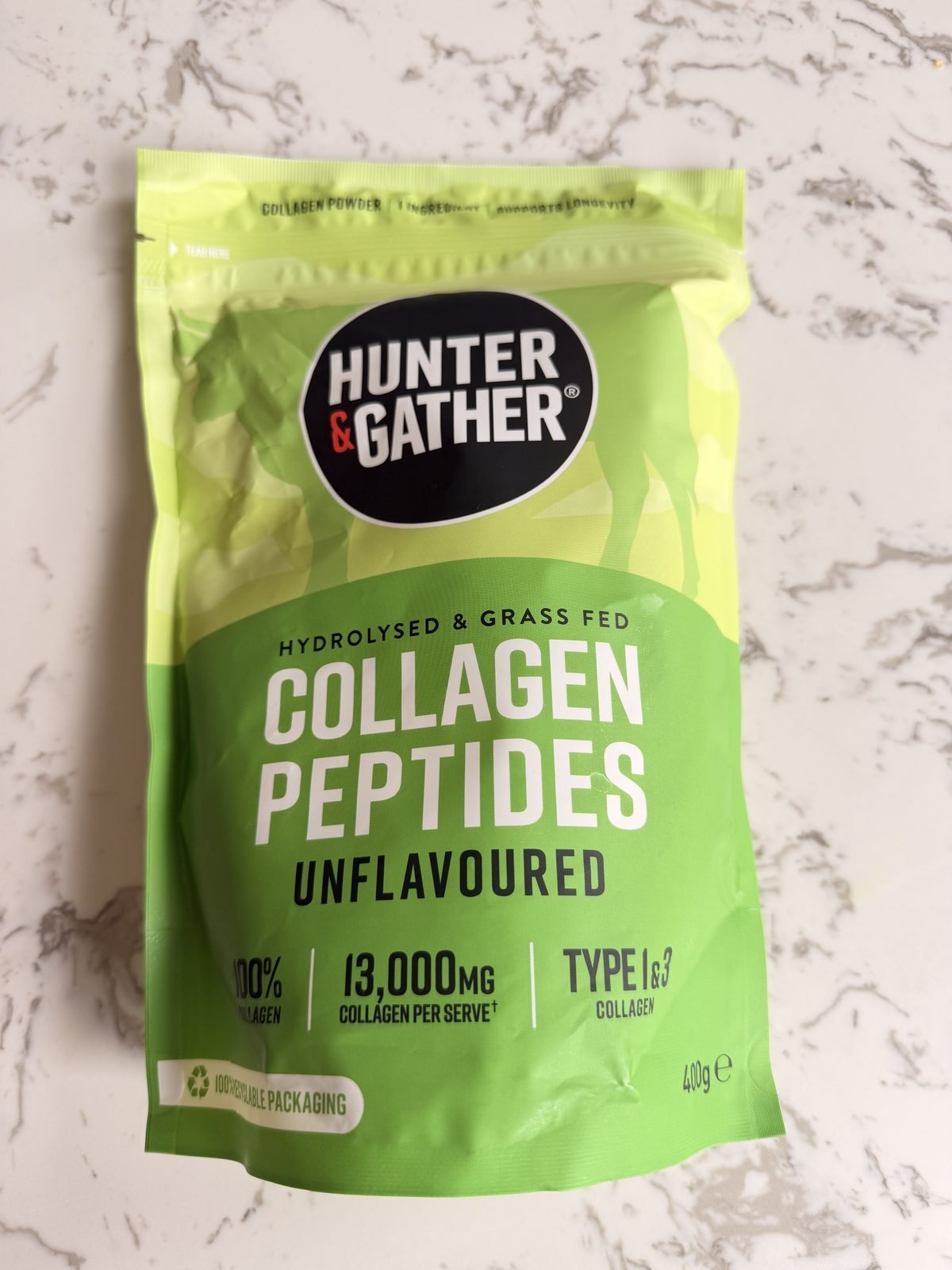
The collagen I take, unflavoured, in my cup of tea.
The short version: the real evidence is modest. Hydrolysed collagen peptides can slightly improve skin hydration and elasticity over about twelve weeks, and ease the joint pain of osteoarthritis, but the effects are small, they fade when you stop, and the most impressive results tend to come from studies funded by the people selling it.
I take collagen every day, with my eyes open. Here is the real picture, and why I still bother. I take collagen every morning, and I am the exact woman it is sold to: in my forties, and told at every turn that it will hold back time. I started on Ancient & Brave at 7 grams a day, then moved to Hunter & Gather at 13, and I will admit I have not noticed a single dramatic thing. Which sent me down a rabbit hole, because I wanted to know the answers to three simple questions. Am I actually meant to notice? What does this stuff really do? And am I taking the right one? Here is what I found when I stopped reading the labels and started reading the studies.
What does collagen actually do, and how long until it works?
Taken as hydrolysed peptides, the broken-down, absorbable form, at doses of roughly 2.5 to 10 grams a day, collagen produces small improvements in skin hydration and elasticity, and a measurable drop in the wrinkle scores researchers use, usually after about eight to twelve weeks. For joints, it can ease the pain and stiffness of osteoarthritis over three to six months. So this is not a next-week thing. If you are going to judge it, give it a proper twelve weeks. And know that the benefit plateaus after that, and drifts away again once you stop. It is a support, not a permanent change.
Am I supposed to notice anything?
Not dramatically, no, and that is the part the marketing never admits. The changes measured in studies are real but small, a slightly better skin feel, not a new face. Plenty of people, me so far included, notice very little day to day. So if you have been taking it and feeling like nothing is happening, you are not doing it wrong. That is roughly what the evidence would predict.
What the bottle promises, and what the studies actually found
This is where it gets interesting. The collagen I take is a good product, grass-fed, well made, and I rate it. But look at how these things are sold, mine included, and you will see promises like smoother skin in week one, better sleep, more energy, and a headline that most people saw improvements. Then look at the trials. The strongest, most independent ones, the studies not funded by a collagen company, often find no significant benefit for skin at all. A 2025 analysis that sorted the trials by who paid for them found that industry-funded and lowerquality studies showed improvements, while the higher-quality, independent ones did not. That does not mean collagen does nothing. It means the confident, glossy version on the label is running well ahead of the evidence, and that is worth knowing before you spend.
The vitamin C thing nobody puts on the label
When I started, I worked out for myself that I should take vitamin C alongside it. I was half right, and the real reason is more interesting than the one you usually hear. You do not need vitamin C to absorb collagen, your gut handles the peptides perfectly well on its own. Vitamin C is a cofactor your body needs to build its own collagen in the first place. So it matters for collagen production generally, which is a good argument for eating your fruit and vegetables, but it is not helping you absorb the powder. The telling part: the brand I use confirms exactly this in a buried reply to a customer question, while the sales page itself never mentions vitamin C at all. The useful detail lives in the small print, not the headline. It usually does.
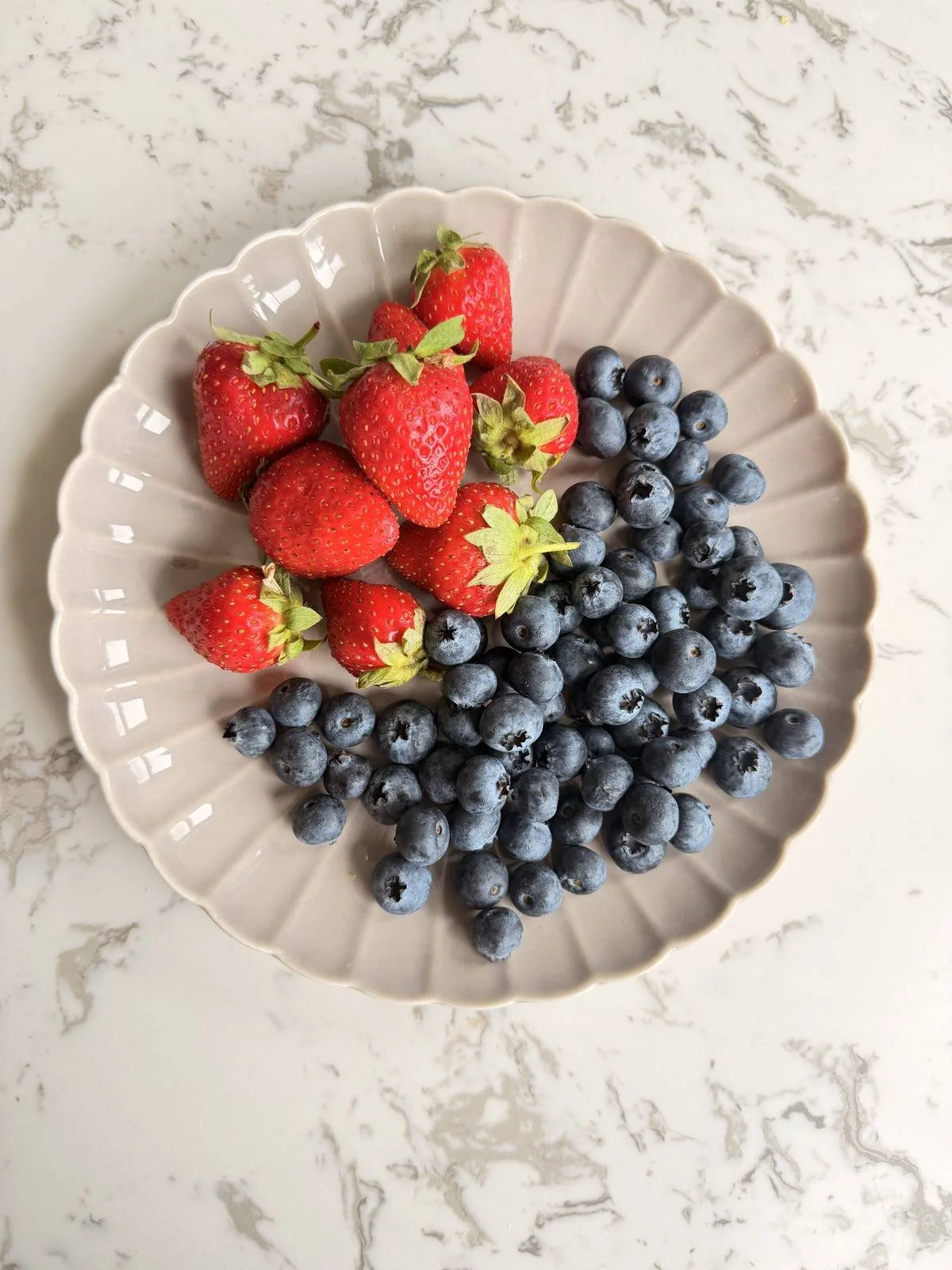
Vitamin C, the kind your body uses to build collagen, from real food.
Am I taking the right one, and is it worth the money?
For the record, hydrolysed, grass-fed, type 1 and 3, unflavoured is the sensible, well-studied form for skin, hair, nails and general use, so if that is what you have, you are fine. One thing worth knowing: 13 grams a day, which is what I take, is more than most studies used. The trials landed between 2.5 and 10 grams, so you are amply covered at 10, and you could take a little less and make the tub last longer without losing the benefit.
On value, the gap between brands is real. The one I moved to works out around half the price per gram of the premium jar I started with, for a fuller collagen profile. The peptides are much the same, the price is not. This is the whole reason I switched: read the cost per gram, not the front of the pack.
One more thing worth reading on the back. The sourcing claims, grass-fed, free from GMOs, antibiotics and hormones, are a genuine quality signal and part of why I buy this one. The footnote worth knowing: hormones are already banned in British and European beef, so hormone-free here is the law, not a perk. It reads better than it means, which is true of a lot of labels.
Is it better than just eating well?
Probably not, on its own. Collagen is a low-quality protein in isolation, short on some of the essential amino acids your body needs, so it is no substitute for real, complete protein from meat, fish, eggs and dairy. There is no good trial pitting collagen against simply eating enough protein for your skin, so anyone claiming it beats a proper plate is guessing. And the things with the strongest evidence for your skin are unglamorous and mostly free: sunscreen, sleep, not smoking, and eating enough protein and vitamin C. Collagen sits on top of those. A small maybe, not a hero.
This is worth pausing on, because collagen is increasingly sold as protein. My own packet says 90 percent protein on the back and calls itself a daily protein powder that supports muscle recovery. Both are true and quietly misleading. Collagen is protein, but it is missing tryptophan, one of the essential amino acids, which is why you will not find tryptophan anywhere on the amino acid list printed on the pack. So it does not do for your muscles what meat, fish, eggs or a proper protein powder do. If you are counting protein for strength, collagen barely counts. Read it as a skin and joint supplement, not as your protein.
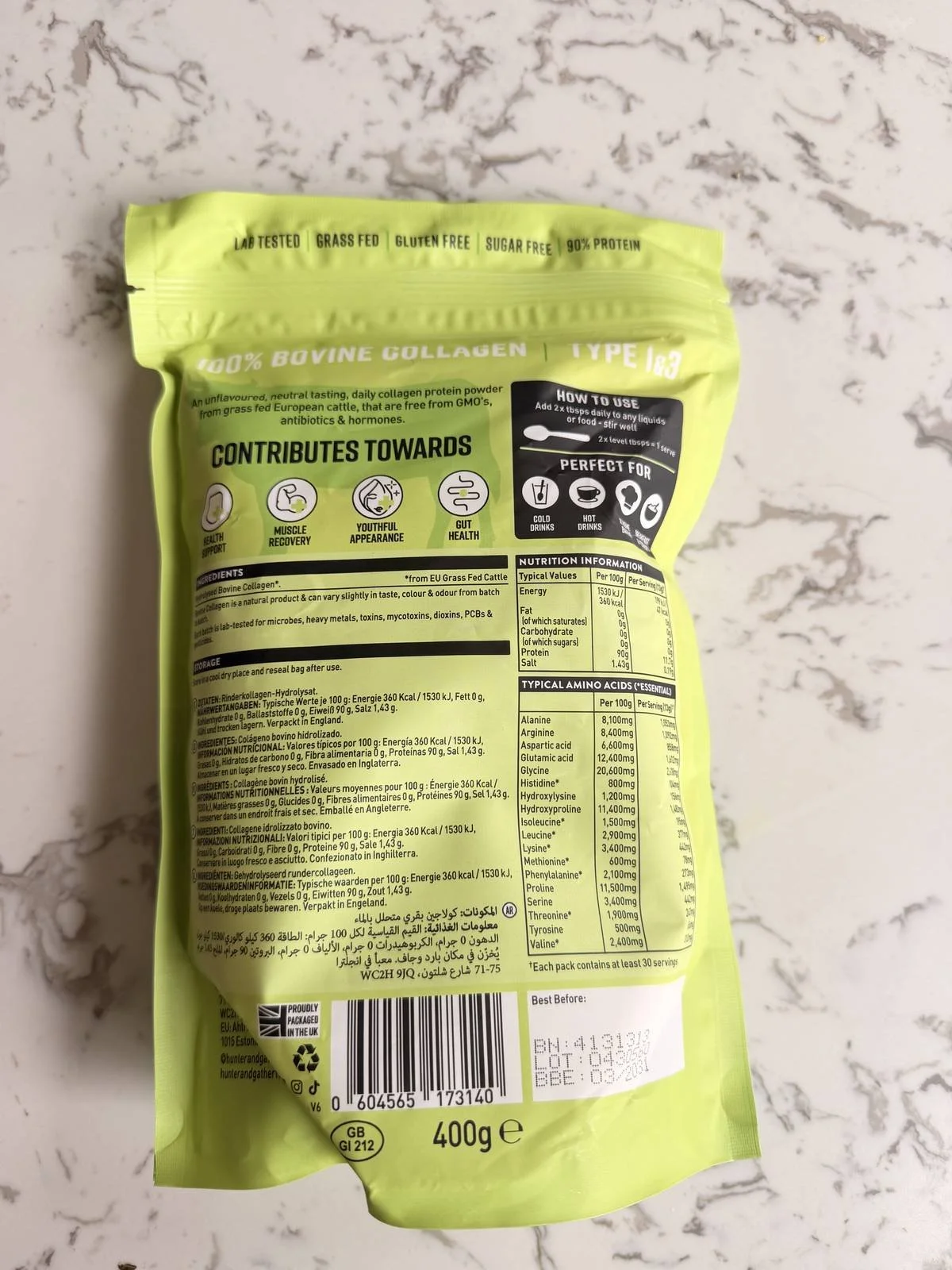
90% protein on the back, and no tryptophan on the amino acid list.
So why do I still take it?
Because a small, plausible benefit for my skin and joints, at under a pound a day, is a bet I am content to make while I watch my own results over the next few months. I take it knowing the evidence is modest, knowing it might be doing very little, and knowing that if I stopped tomorrow the sky would not fall. That is the difference I want for you too. Not do not take collagen. Not take this miracle. Just take it, or leave it, with your eyes open and your money spent on purpose. What is the one supplement you take on faith that you have never actually checked?
Sources
Systematic review and meta-analysis of hydrolysed collagen for skin (26 RCTs, 1,721 participants). 2023. ncbi.nlm.nih.gov/pmc/articles/PMC10180699/
Meta-analysis stratifying collagen skin trials by funding and quality. 2025. pubmed.ncbi.nlm.nih.gov/40324552/
Umbrella review of collagen for musculoskeletal and skin health. 2026. ncbi.nlm.nih.gov/pmc/articles/PMC12968778/
Collagen amino acid profile and comparison with complete dietary protein. ncbi.nlm.nih.gov/pmc/articles/PMC10102402/
Brand value comparison, cost per gram and collagen type. bovinecollagen.co.uk/hunter-andgather-collagen-review-uk/
Related reading: How much protein does a woman in her forties actually need?