What US food labels actually guarantee, and where they mislead you
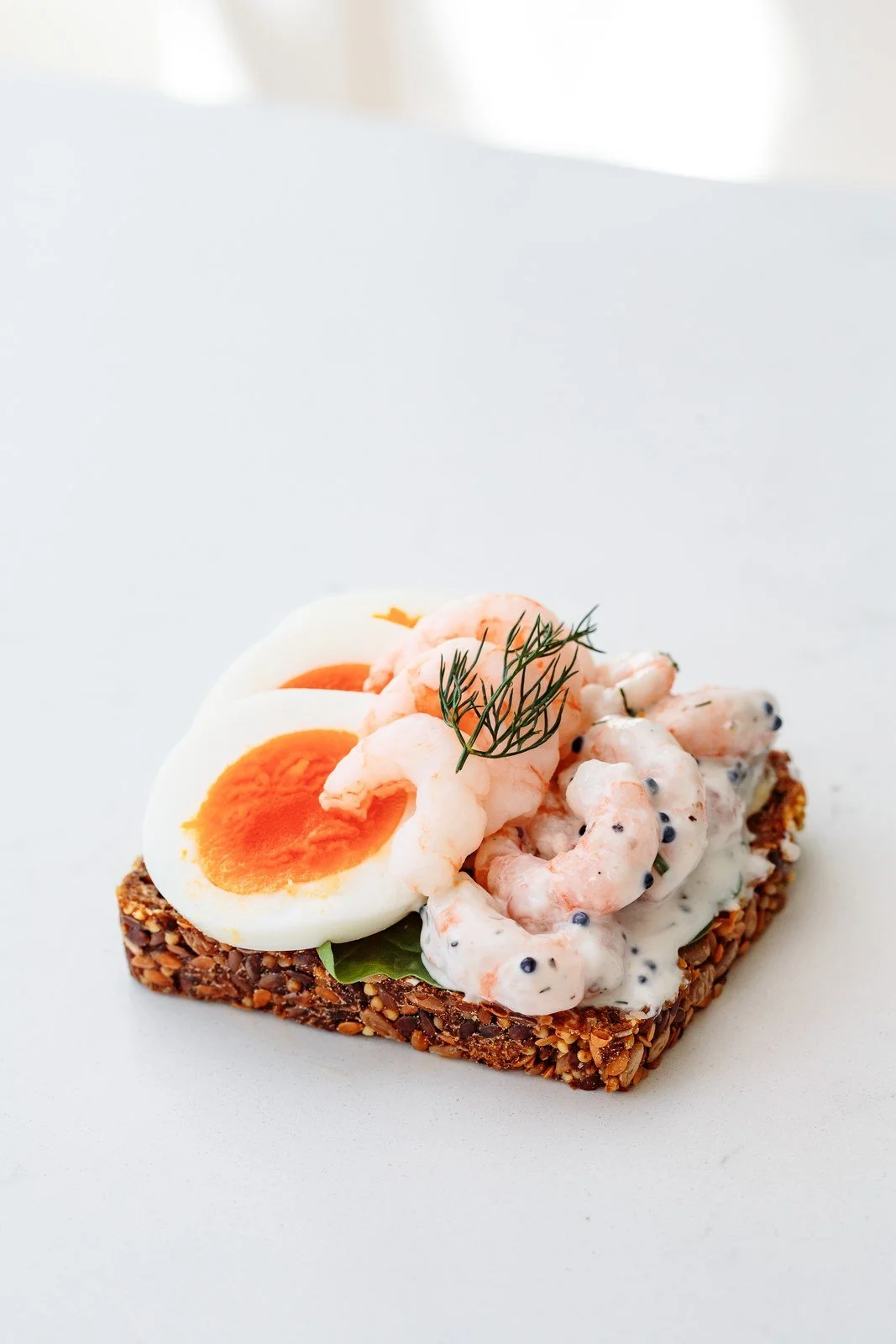
My organic egg and shrimp Skagen open sandwich. A take on the Swedish classic.
If you shop in the UK, I have written a companion guide to what British food labels really mean, where the loopholes are different again. Read here
Most US food labels promise less than shoppers assume. “Grass-fed” lost its federal standard in 2016. “Natural” says nothing about how an animal was raised. “Product of USA” could sit on imported meat until a rule tightened it in 2026, and even now the claim is voluntary. “Pasture-raised” has no legal definition at all. USDA Organic guarantees the most. And knowing your producer still beats any label.
This is the companion to my piece on UK food labels, written for readers shopping in the United States, because the frustration is the same on both sides of the Atlantic even when the rules are not. I stopped trusting most food claims a long time ago, not from one dramatic moment but from years of reading and talking to the people who actually grow and raise food, until the gap between what a label says and what it means was too wide to ignore. My own answer is simple. I buy from producers I can speak to, because a person who will answer your questions beats a word printed on a pack. Standing in a store aisle there is no one to ask, and the staff, through no fault of their own, cannot tell you. So here is what the main US labels actually guarantee, and where they are built to mislead you.
What does “grass-fed” actually mean in the US?
Less than the words suggest. In 2016 the USDA withdrew its grass-fed marketing standard, the definition that spelled out what the term should mean. Producers can still put “grass-fed” on a pack, but they now write their own definition and submit it for approval, and there is no single rule and little independent checking behind the plain words. Most cattle labeled this way are also grain-finished before slaughter. If you want a real guarantee, look for the American Grassfed Association seal, which certifies a 100% forage diet with no grain and no confinement on US family farms, or A Greener World’s Certified Grassfed. On their own, the words “grass-fed” carry very little weight.
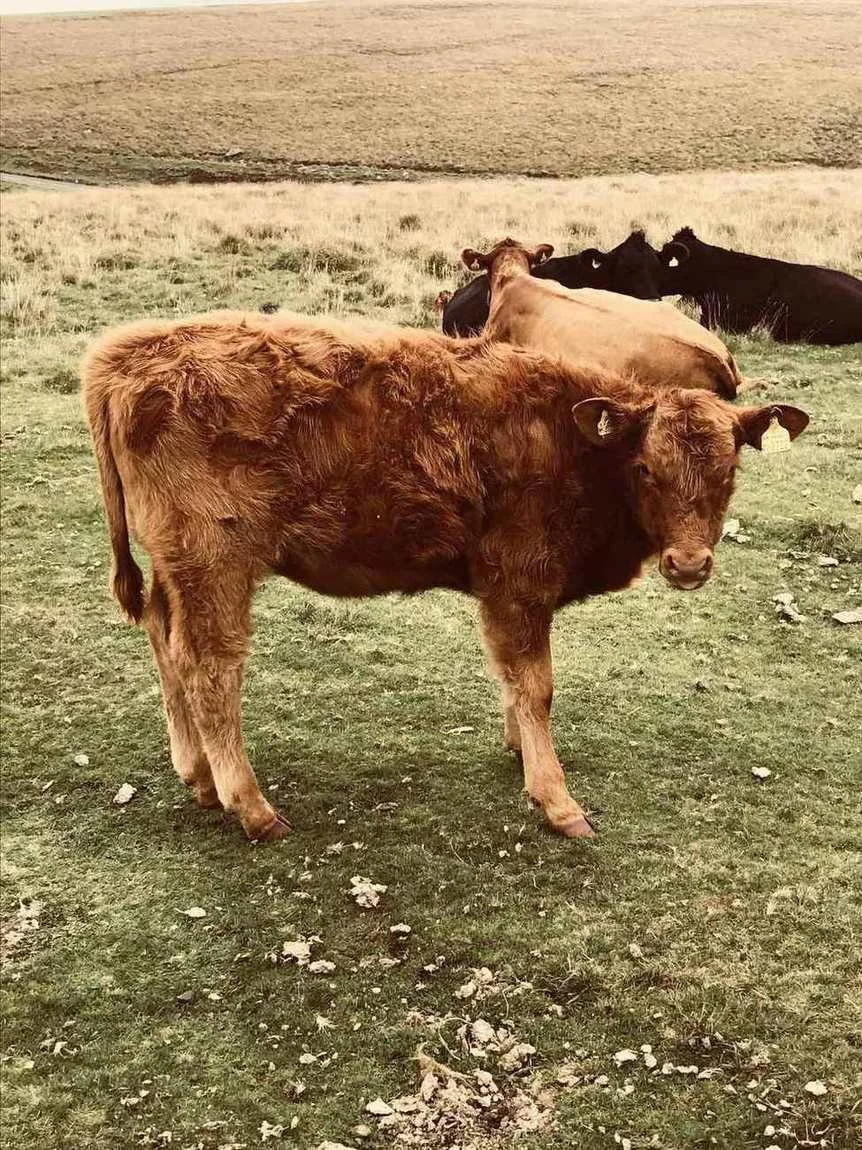
Grass-fed sounds like a promise. Since 2016 it is closer to a suggestion.
Does “natural” mean the animal was raised well?
No, and this is the label most people misread. Under USDA rules, “natural” means only that a product has no artificial ingredients or added color and is minimally processed. That is a statement about what happens to the meat after slaughter, not about how the animal lived. A “natural” chicken can have been raised in exactly the same conditions as one without the word. It is one of the most reassuring words on the shelf and one of the emptiest.
What does “Product of USA” actually tell you?
Until very recently, less than you would think. In 2015 Congress repealed mandatory country-of-origin labeling for beef and pork, which meant that for years meat from animals raised abroad could be imported, processed here, and stamped “Product of USA.” The label described where the meat was last handled, not where the animal lived. A new USDA rule finally changed that. From January 2026, “Product of USA” and “Made in the USA” can be used only if the animal was born, raised, slaughtered and processed in the United States. The one catch worth knowing is that the claim is still voluntary, so meat carrying no origin claim at all can still come from abroad, and you will not always be told. The rule is a real improvement. It is not a guarantee that covers everything in the case.
What do the egg labels mean: cage-free, free-range, pasture-raised?
They form a ladder, and only the top rung is worth paying up for. Cage-free means the hens are not in cages, but almost always still indoors, in a large barn. Free-range means some access to the outdoors, but the USDA sets no rule on how long or how much space, so it can be a small door onto a small porch. Pasture-raised is the one that means real outdoor life, and it is also the least regulated, with no federal definition, which means anyone can print it. The way to make it real is a certification. Certified Humane Pasture Raised requires 108 square feet of outdoor pasture for every hen, with the birds outside daily when the weather allows. Without a seal like that, “pasture-raised” is just a nice phrase.
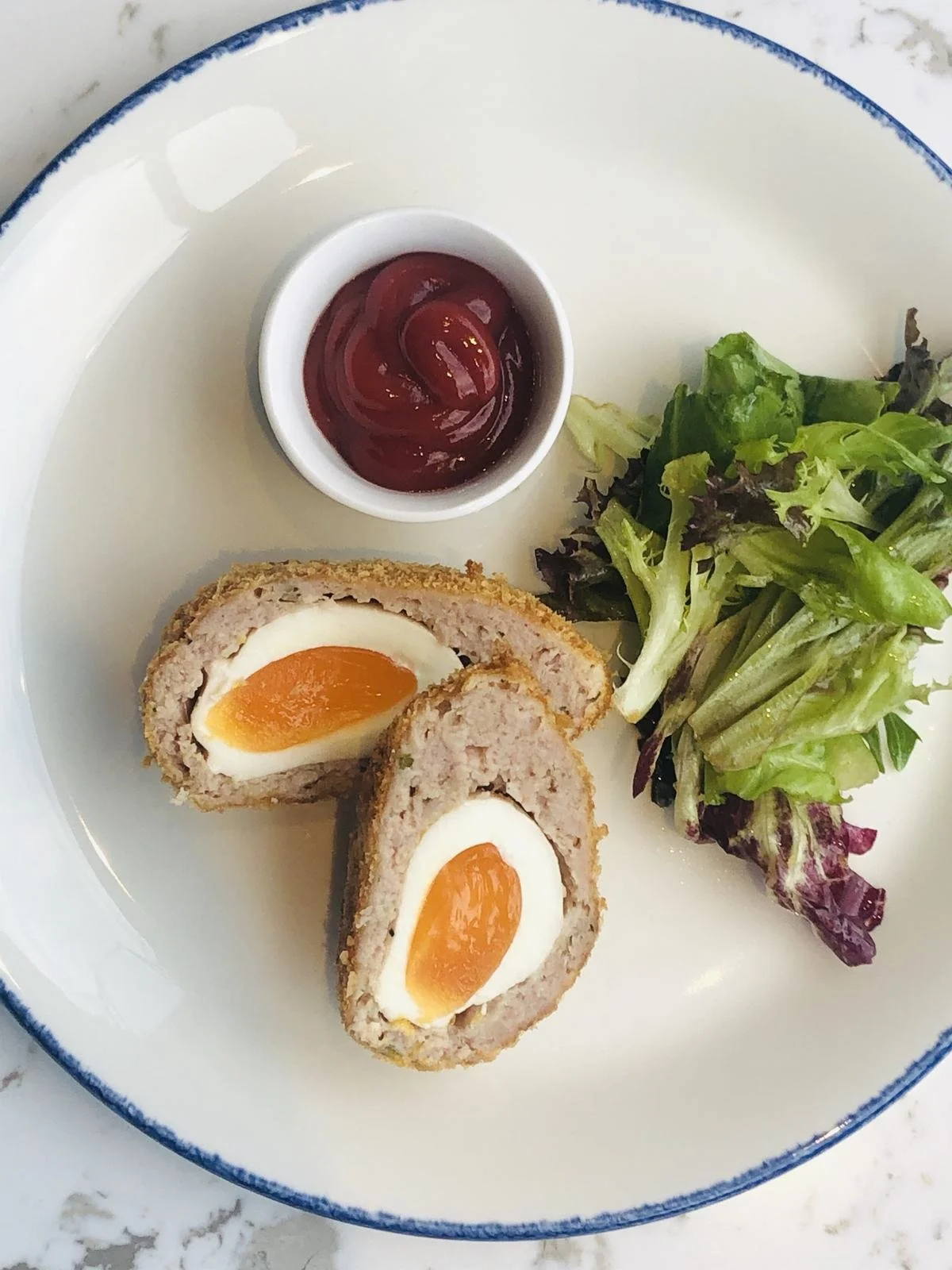
Eggs again, and the labels here are some of the loosest of all.
Does “no hormones added” mean anything?
It depends on the animal. In chicken and pork, added hormones have been banned by federal law since the 1950s, so “no hormones added” is true of every chicken and every pig in the country. That is why the law requires the claim to be followed by a line stating that federal regulations prohibit the use of hormones. On poultry and pork it is marketing dressed as a difference. On beef it is another matter, because hormones are permitted in cattle, so “raised without added hormones” on beef genuinely tells you something. Read the same three words differently depending on what you are buying.
Is USDA Organic actually the highest standard, and what does it ban?
For how food is grown and how animals are kept, it generally is, and it is worth being exact about what it bans rather than vaguely restricts. USDA Organic prohibits synthetic pesticides and chemical weedkillers, bans GMOs entirely, and does not allow routine antibiotics or added growth hormones. It requires outdoor access and lower stocking densities, and it is legally defined and independently inspected every year, which “grass-fed” and “pasture-raised” on their own are not. One caveat to keep in view: organic is a guarantee about how the food was farmed, not an automatic claim that it is more nutritious. The value sits in the standards behind the seal, and they are real.
Which third-party seals actually carry weight?
When the government’s own words are loose, the independent seals do the heavy lifting, so it is worth knowing the few that mean something. Certified Humane and Animal Welfare Approved by A Greener World both set genuine welfare standards and inspect the farms that carry them. The American Grassfed Association is the one to trust for real grass-fed beef and lamb. Global Animal Partnership uses a step system, from one to five, so a higher number is a higher standard of animal welfare. These are the marks I would look for before I trusted any claim a brand writes about itself.
What about fish and seafood?
Seafood is the one place where origin labeling held on. Unlike beef and pork, wild-caught and farmed fish still have to carry a country of origin and say whether they were wild or farmed, at most stores. Beyond that, the marks to look for are the blue MSC label for wild-caught fish from a fishery managed for the long term, and the ASC label for responsibly farmed fish. As with everything else, wild or farmed and where it came from tells you far more than a word like “fresh” ever will.
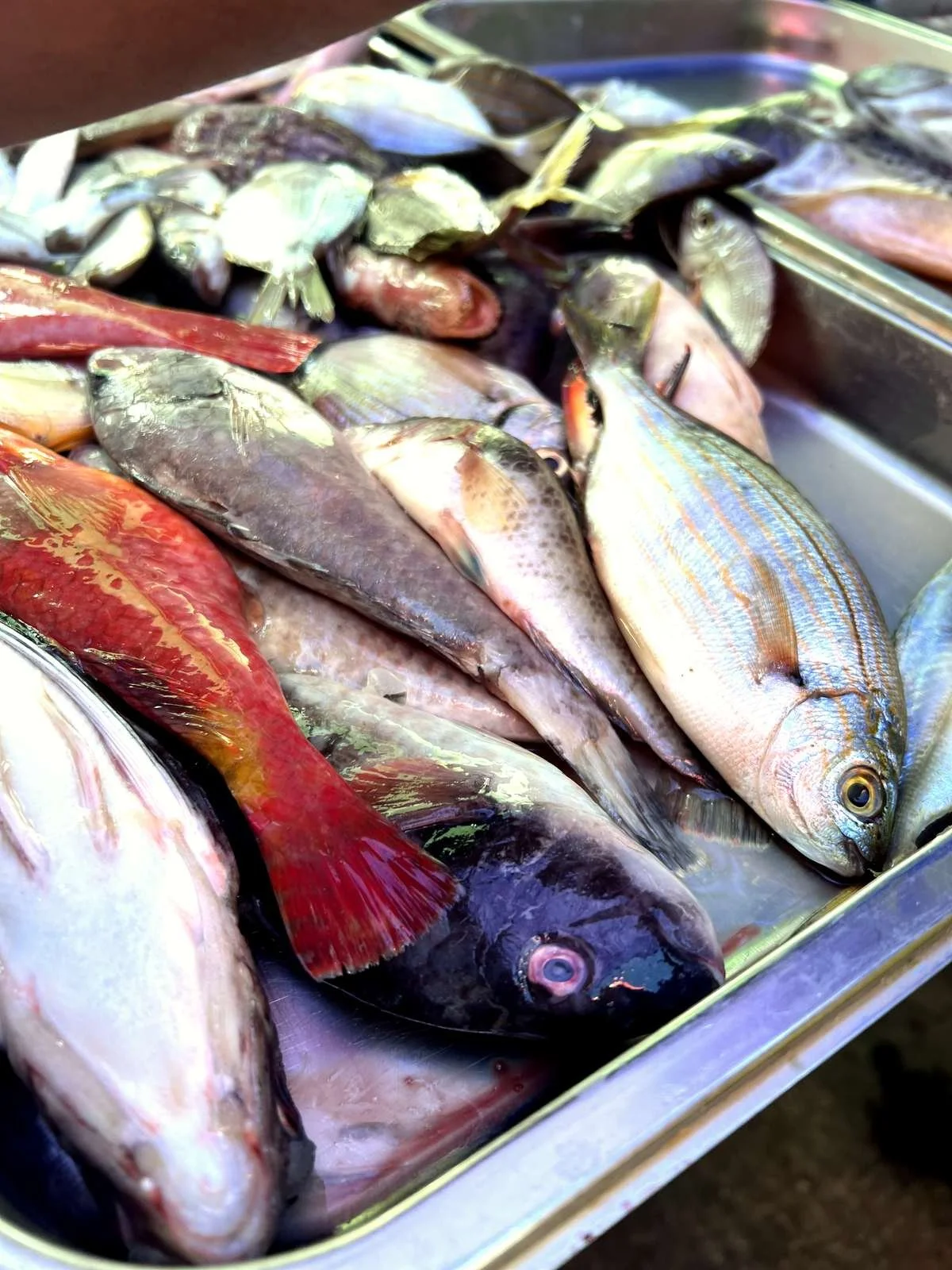
With fish, wild or farmed and where it came from tells you far more than fresh ever will.
So which label is worth your money?
It depends on what you care about most, because the labels reward different things. For real grass-fed beef, look for the American Grassfed Association seal rather than the loose words on a pack. For eggs, pasture-raised with a Certified Humane seal is the rung worth climbing to. For the widest set of protections in one label, USDA Organic goes furthest, and it is inspected. Treat “natural” as decoration, and read “Product of USA” and “no hormones added” for what they leave out as much as what they say. And the single most reliable move sits outside the label system altogether: buying from a farm, a butcher or a market stall that can tell you exactly how the animal was raised. A person who answers your questions beats a logo that hopes you will not ask.
Next time you are shopping, pick up the product you buy most often and read its label properly. What is it actually promising you, and is that the thing you thought you were paying for?
Here is the whole thing on one page:
| Label | What it actually guarantees | What it leaves out |
|---|---|---|
| “Grass-fed” (uncertified) | Only the producer’s own definition, since the USDA dropped its grass-fed standard in 2016 | No independent check that the animal ate mostly grass |
| American Grassfed Association | A 100% forage diet, no grain, no confinement, on US family farms | A certification to look for, not the plain words on a pack |
| “Natural” | No artificial ingredients and minimal processing | Nothing at all about how the animal was raised |
| “Product of USA” (from 2026) | Born, raised, slaughtered and processed in the US | Still a voluntary claim, so unlabeled meat may be imported |
| “Cage-free” eggs | Hens are uncaged and can move around a barn | Usually no access to the outdoors |
| “Pasture-raised” eggs, with Certified Humane | 108 square feet of outdoor pasture per hen, and time outside daily | Almost meaningless without that certification behind it |
| USDA Organic | No synthetic pesticides, no GMOs, no routine antibiotics, outdoor access | A farming standard, not an automatic nutrition claim |
Sources
USDA withdrawal of the grass-fed marketing claim standard, 2016, from USDA AMS: https://www.usda.gov/about-usda/news/blog/understanding-ams-withdrawal-two-voluntary-marketingclaim-standards
American Grassfed Association standards, from americangrassfed.org: https://www.americangrassfed.org/about-us/our-standards/
Meat and poultry labeling terms, including “natural” and “no hormones added”, from USDA FSIS: https://www.fsis.usda.gov/food-safety/safe-food-handling-and-preparation/food-safety-basics/meatand-poultry-labeling-terms
“Product of USA” voluntary rule, effective January 2026, and the 2015 COOL repeal, from National Agricultural Law Center: https://nationalaglawcenter.org/usda-finalizes-voluntary-product-of-usa-rule/
Egg label definitions, cage-free, free-range and pasture-raised, from Certified Humane: https://certifiedhumane.org/all-about-egg-labels/
USDA Organic standards, from USDA National Organic Program: https://www.usda.gov/topics/organic