What UK food labels actually guarantee, and where they mislead you
If you shop in the United States, the rules are different again, and I have written a companion guide to what US food labels really mean. Read Here
Most UK food labels promise less than shoppers assume. “Grass-fed” can legally mean a diet of just 51 percent grass. Red Tractor sits close to the legal minimum. “British” or “packed in the UK” on a processed product can hide imported meat. Organic guarantees the most, banning synthetic pesticides and GM. Knowing your producer beats any label.
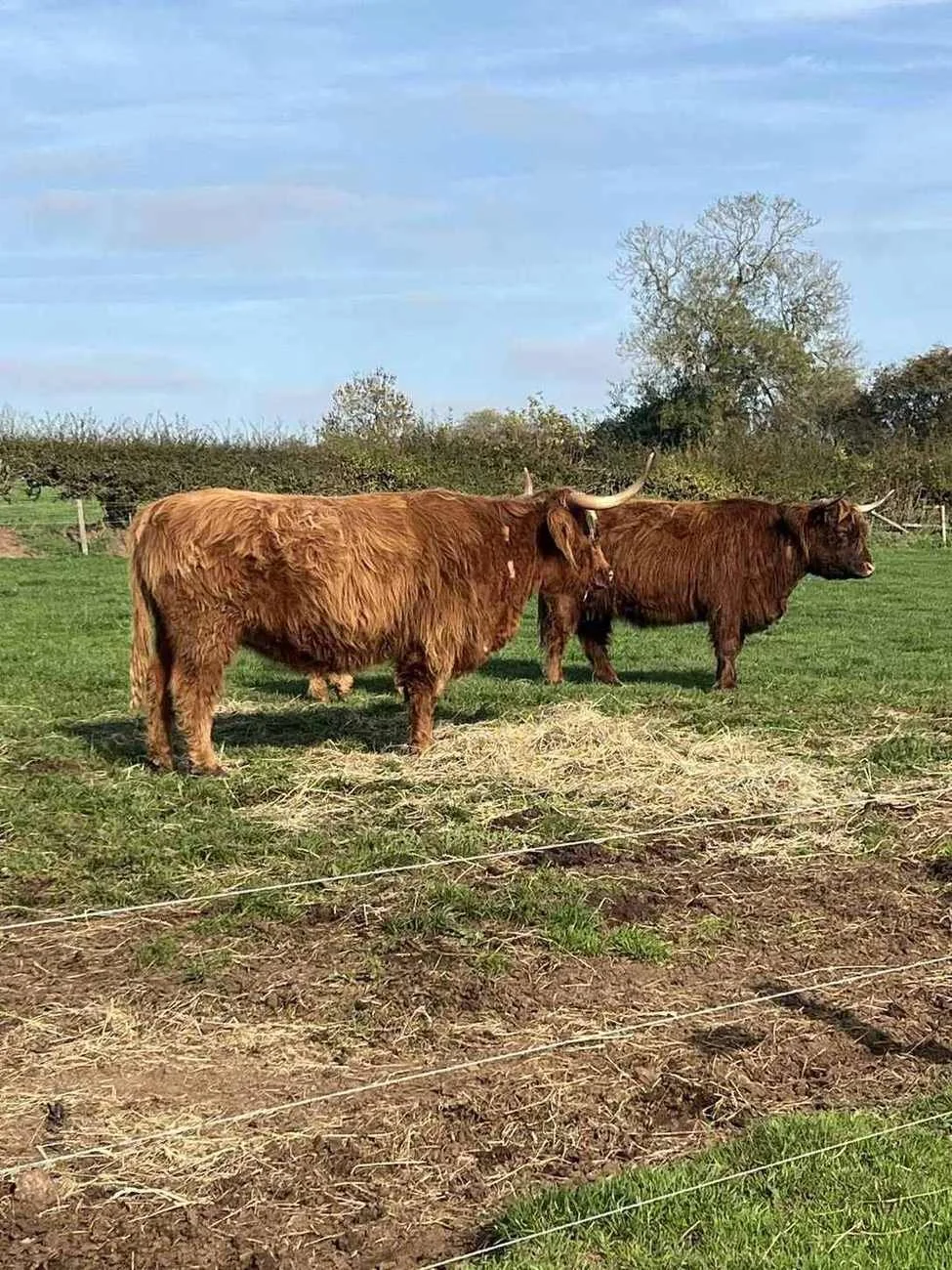
Highland cattle grazing on pasture in Cheshire, UK
I stopped trusting most supermarket food claims a while ago. Not from one dramatic moment, but from years of reading, researching and talking to people who actually grow and rear food, until the gap between what a label says and what it means was too wide to ignore. Once you see how loosely some of these words are used, you shop differently. My own answer was simple. I buy from producers I can actually speak to. If I order meat from a farm at the other end of the country, I can call or email and get a straight answer about how the animal was raised. Standing in a supermarket aisle, there is no one to ask, and the staff, through no fault of their own, cannot tell you. The link between the farmer and the person eating the food has been stretched so far that most of us have no idea what we are buying. So here is what the main UK labels actually guarantee, and where they are built to mislead you.
What does “grass-fed” actually mean in the UK?
Less than almost anyone thinks. Under Defra’s rules, a product can be labelled grass-fed when only 51 percent of the animal’s diet is grass. The rest can be grain and concentrates. On top of that, the term is not tightly regulated in the UK, and there is little evidence these claims are ever checked. This is well documented, and there is now a campaign for mandatory grass-fed labelling precisely because the current word carries so little weight. If you want a real guarantee, the label to look for is Pasture for Life, which certifies a 100 percent pasture diet with no grain or concentrates, or A Greener World’s Certified Grass-Fed. The plain words “grassfed” on their own are close to meaningless.
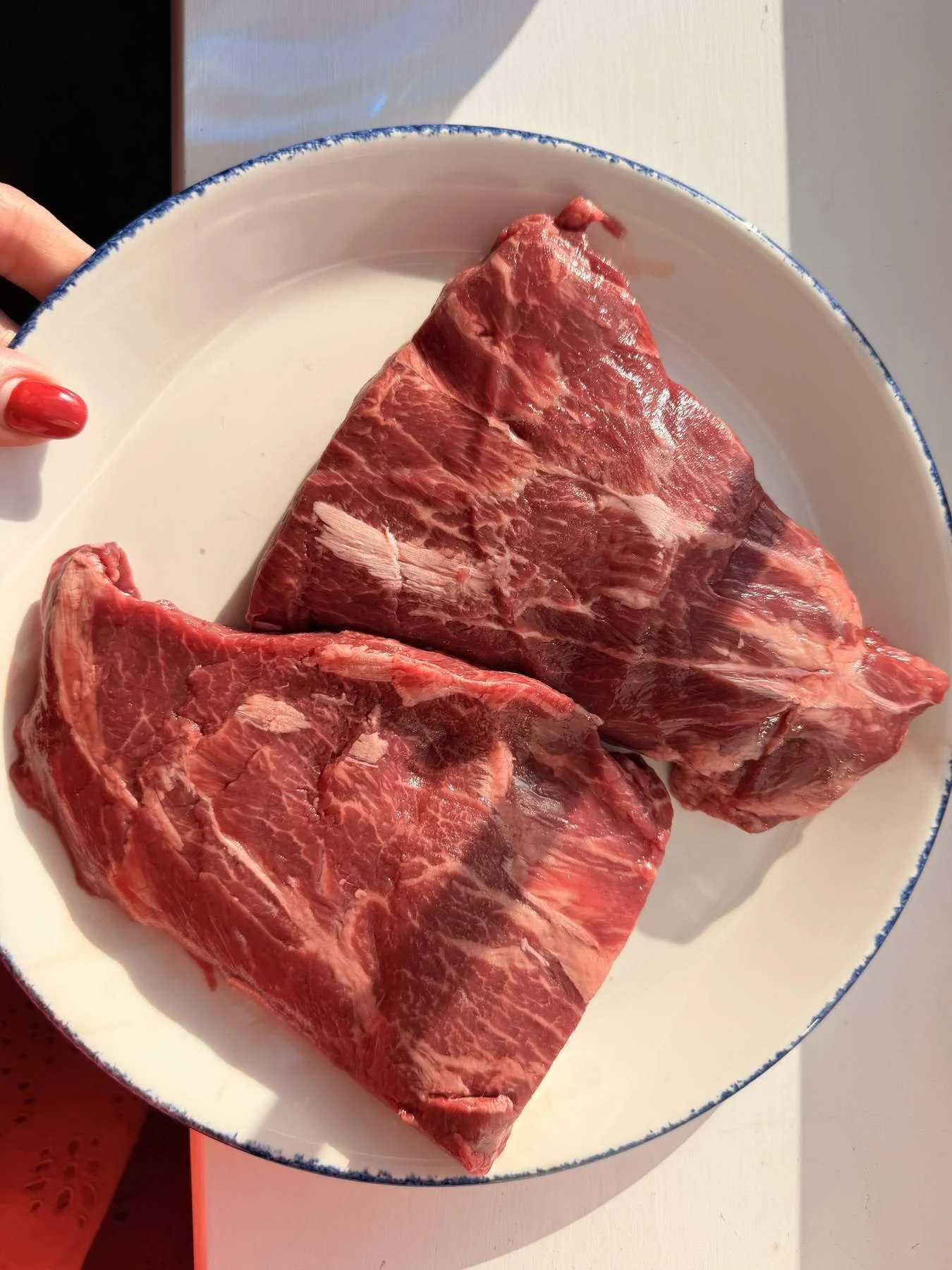
Grass Fed Beef From Farm 51, Cheshire
Does Red Tractor mean high welfare?
No, and this is the label most people misread. Red Tractor’s core job is food safety, traceability and a baseline of standards that sits close to the legal minimum. It still permits practices that stricter schemes ban, such as farrowing crates for pigs. So a Red Tractor logo tells you the food is traceable and legally produced. It does not tell you the animal had a good life. That is useful to know, as long as you read it as the floor rather than a promise of anything above it.
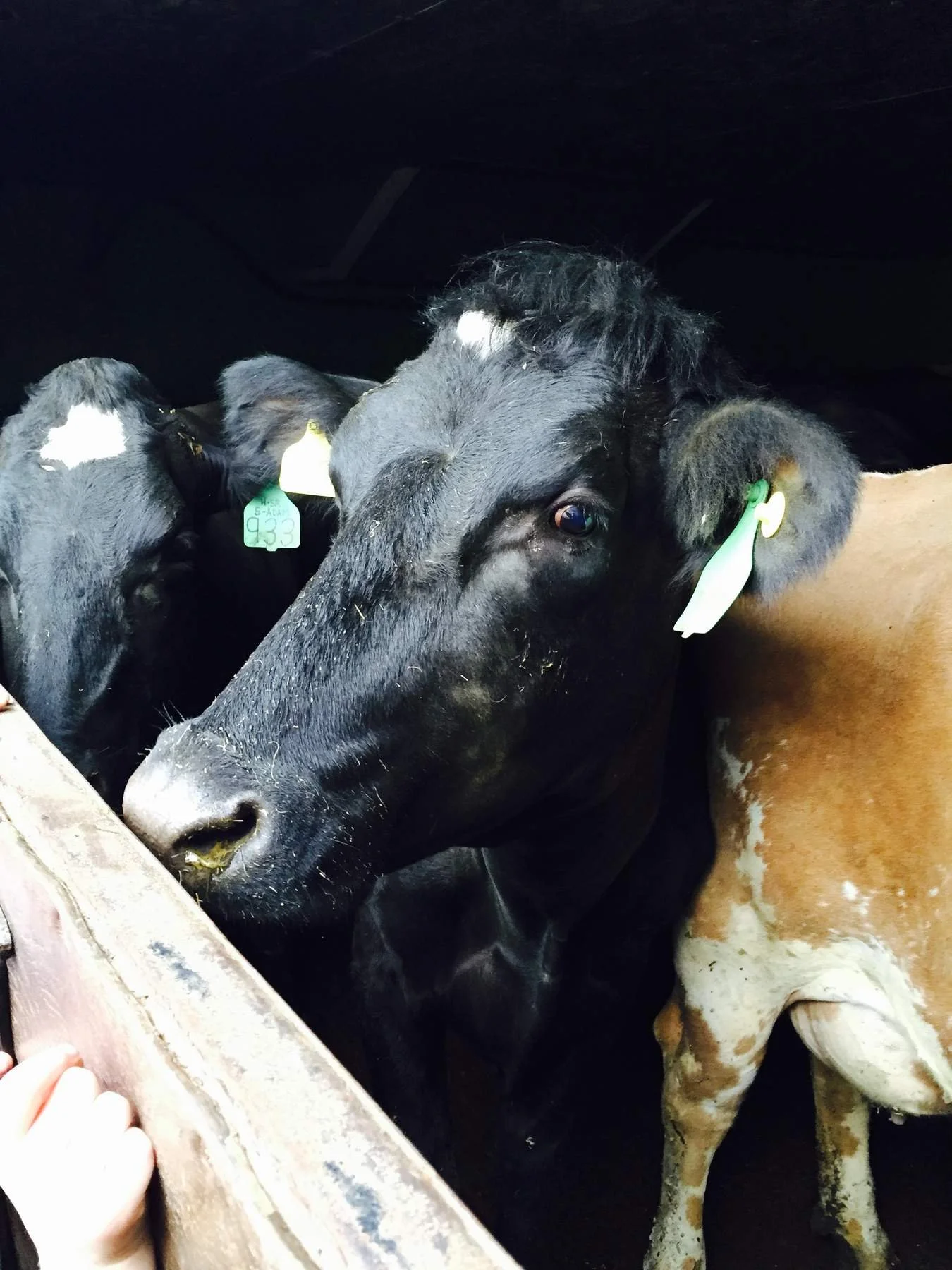
Every one of these can be traced back to its farm. That is the part no supermarket label gives you.
What does RSPCA Assured guarantee, and what does it leave out?
RSPCA Assured is the only UK scheme built solely around farm animal welfare, and its standards sit clearly above Red Tractor: more space, proper bedding, and no farrowing crates. What it does not promise is organic, outdoor or free-range. It certifies indoor systems too, so the label is a genuine welfare step up while an animal can still be reared inside. It answers the welfare question. It does not answer whether the animal ever saw a field.
What does “British” or “packed in the UK” actually tell you?
Less than the flag on the packet suggests. For raw, unprocessed meat, the law is on your side: pork, poultry, lamb and goat must state where the animal was reared and slaughtered. The gap is in processed products. “Packed in the UK” only means the final packing happened here, not that the animal lived here. Bacon can be cured and packed in Britain and sold as British while the pork came from elsewhere in Europe, and the meat inside ready meals, sandwiches and coated chicken often carries no clear origin at all. A 2020 rule closed part of this gap for primary ingredients, but processed meat still slips through. So a Union Jack on a processed pack tells you a marketing team liked the look of it. It does not reliably tell you where your food was raised.
Is organic actually the highest standard, and what does it really ban?
For animal welfare and what goes into growing, in the UK it generally is, and it is worth being exact about what it bans rather than vaguely “restricts”. Organic prohibits synthetic pesticides and all chemical weedkillers outright. Growers may use only a very short list of naturally derived substances, such as citronella or clove oil, and only as a last resort under tight conditions. Organic also bans GM entirely, so organic animals are fed a non GM diet. On top of that it requires outdoor access, lower stocking densities, no cages and no routine antibiotics, and it is legally defined and independently inspected, which “grass-fed” on its own is not. One honest caveat: organic is a guarantee about how food was farmed, and it is not an automatic claim that the food is more nutritious. The value sits in the standards behind it.
What about “regenerative”, and why is even the government talking about it now?
“Regenerative” is the newest of these words and the least defined. It describes farming that rebuilds soil, water and biodiversity rather than depleting them, and at its best it is some of the most thoughtful food production in the country. Some of the best farms I know are not certified organic at all, yet they farm to a standard that easily matches it. But there is no single legal definition behind the word, so it can mean everything or almost nothing. That matters more now, not less, because the direction of travel is real. In July 2026 the Environment Secretary used the Groundswell farming festival to confirm a new Organic Action Plan for England and to put regenerative farming through the government’s first ever twenty-five-year farming roadmap. As the word goes mainstream, reading it well matters more. Since there is no certificate to lean on, the answer is to ask the producer directly, and I am writing a fuller piece on exactly what regenerative means and the questions worth asking before you buy.
What if you don’t have farms on your doorstep?
You do not need to live near a farm to buy this way. I have farms within reach now, but I spent twelve years in London where that was not true, and even then it is far easier than it used to be. Good producers, organic suppliers and small holdings now post meat, dairy and store-cupboard basics by courier across the country, and most will answer a question by email or phone before you order. The hard part is no longer access. It is finding them, and knowing what to ask.
So which label is worth your money?
It depends on what you care about most, because the labels reward different things. For a true grass-fed guarantee, look for Pasture for Life rather than the loose words on a pack. For welfare, RSPCA Assured and organic both mean something real, with organic going furthest. Treat Red Tractor as the baseline it is, and treat a Union Jack on a processed product as decoration. And the single most reliable move sits outside the label system altogether: buying from a butcher or producer who can tell you exactly how the animal was raised and fed. A person who answers your questions beats a logo that hopes you will not ask them.
| Label | What it actually guarantees | What it leaves out |
|---|---|---|
| "Grass-fed" (uncertified) | Only about 51% of the diet was grass, under Defra rules | No promise of mostly grass or pasture, and barely policed |
| Pasture for Life | A 100% pasture diet, no grain or concentrates | A certification to look for, not the plain words |
| Red Tractor | Food safety, traceability, standards near the legal minimum | Not high welfare; permits farrowing crates for pigs |
| RSPCA Assured | Higher welfare: more space, bedding, no farrowing crates | Not organic, and can still be indoor |
| "British" / "packed in the UK" | On raw meat, where it was reared and slaughtered | On processed products, where the meat really came from |
| Organic (Soil Association) | No synthetic pesticides or weedkillers, no GM, outdoor access | A farming standard, not a nutrition claim |
Sources
● Defra grass-fed 51 percent rule and the campaign for mandatory labelling - Farmers Weekly: https://www.fwi.co.uk/news/campaign-launched-for-mandatory-labelling-of-grass-fed-meat
● Pasture for Life certification (100 percent pasture) - pastureforlife.org: https://www.pastureforlife.org
● Food labelling and country of origin - GOV.UK: https://www.gov.uk/guidance/food-labellingcountry-of-origin
● What organic bans (synthetic pesticides, weedkillers, GM) - Soil Association: https://www.soilassociation.org/what-we-do/championing-organic/what-is-organic-food/
● Organic Action Plan and regenerative farming confirmed at Groundswell, July 2026 - GOV.UK: https://www.gov.uk/government/speeches/environment-secretary-emma-reynolds-groundswell-festival