Mini Loaf Pan Batter Guide: How Much Batter to Use
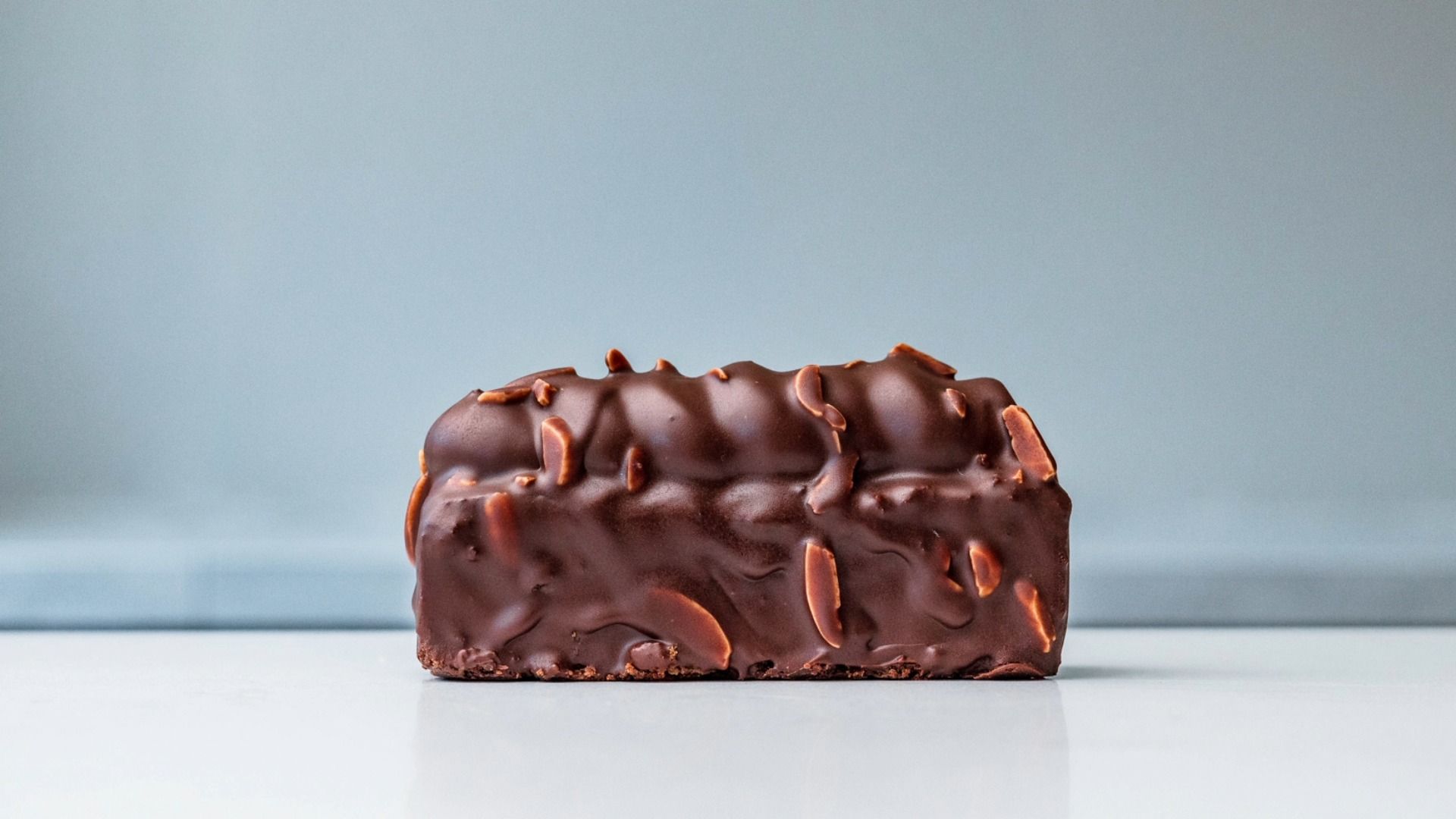
Ever had a mini loaf cake overflow in the oven or come out flat and dry? Mini loaves are adorable crowd-pleasers, but they can be tricky. If you've struggled with sinking centers or batter spilling over, you're not alone. The good news: there's a simple fix that separates okay mini loaves from bakery-perfect ones – getting the batter amount just right. Precise measurements mean every mini cake rises evenly and bakes to perfection, as shown above.
Mini Loaves: More Than Just Cute Treats
Mini loaf cakes aren’t just charming in size – they’re one of the most versatile bakes you can make. From gift baskets to café displays to farmers’ market sales, these little cakes are efficient, elegant, and endlessly adaptable. They can showcase a range of flavors and designs without the commitment of a full cake.
But there’s one make-or-break detail that can spell disaster: batter weight. Add too much batter and your mini cakes will overflow their tins; add too little and they come out shrunken, with uneven domes or a dry texture. Eyeballing it simply won’t cut it if you want consistent, professional results.
👉 Get the complete Mini Loaf Cakes Framework — learn all things technical
CAKE TYPE & BATTER WEIGHT (per cavity)
Liquid batters (oil, buttermilk, chocolate fudge - 90g
Classic butter-based cakes (vanilla, lemon loaf) - 100g
Carrot cake - 110g
Brownies 120g - 130g
Nut-based cakes or dense batters - 140g
Apple crumble / crisp with topping - 170 g cake + 50 g topping(These weights are for standard 6.8oz / 200ml mini loaf tins; always adjust slightly if your pan size differs.)
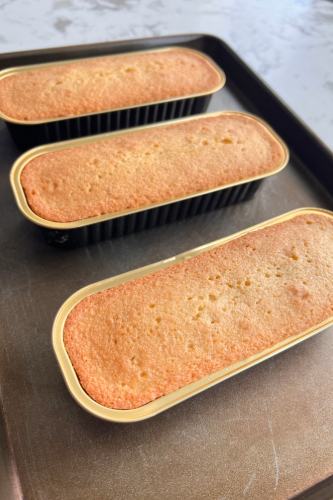
Three perfectly baked mini loaf cakes, golden and level, fresh from the oven. Precise batter weights produce an even rise and uniform tops, eliminating overflow or sinking.
Consistency like this makes decorating and serving a breeze.
Why Measuring Batter Matters So Much
Using precise batter weights doesn’t just make your mini loaves look better — it completely changes how they bake and taste. Here’s what accurate measuring unlocks:
-
Even rise: No more sunken centers or lopsided, cracked tops. Every loaf rises to the same height.
-
Professional finish: Each mini cake will match the next, so you never get a mix of underfilled and overfilled loaves. Uniformity is visually appealing (and means no trimming or waste!).
-
Consistent texture: The ideal cake-to-frosting ratio in every bite. With the right batter amount, your loaves stay moist inside without overflowing or drying out.
“I used to guess and wasted whole trays of batter. Now every bake is even — no trimming, no waste.”
— Ruth, happy home baker
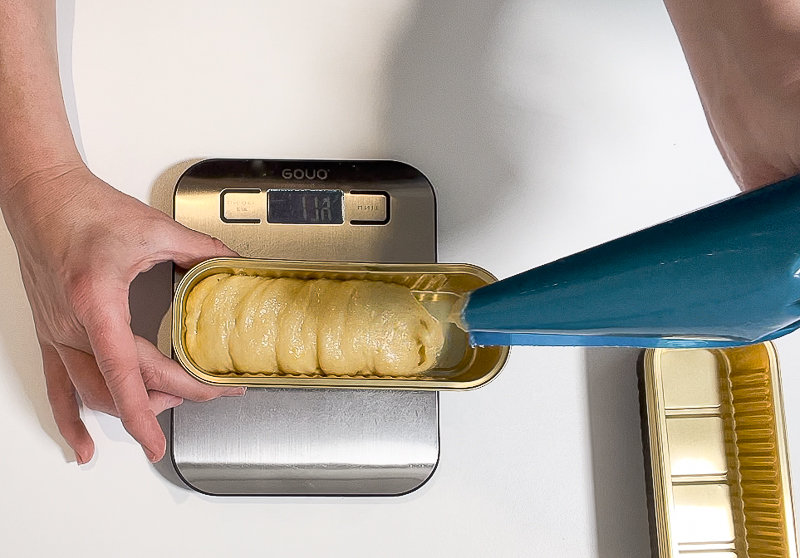
Precision is key: using a digital scale to weigh batter for each mini loaf tin ensures every cake gets the exact same amount.
This level of control is how pros achieve reliable results, and it’s easily done in a home kitchen too.
Why Your Scratch-Baked Loaves Flop (When Box Mixes Don’t)
If your from-scratch mini loaves sometimes flop, you’re not alone. Baking from scratch has more variables than a boxed mix. Here’s why even experienced home bakers get uneven results and how to overcome it:
-
Box mixes are chemically stabilised. Commercial cake mixes are engineered with emulsifiers and stabilizers to be foolproof. Scratch recipes rely on real ingredients’ freshness, proper technique, and exact ratios. There’s less margin for error, which means your method matters more (but the reward in flavor and pride is worth it!).
-
Leavening loses potency. Baking powder and baking soda weaken after 3–6 months. An old can of baking powder might be sabotaging your loaves. Always use fresh leaveners (and test them) to ensure you get the lift you expect.
-
Natural ingredients vary. Flour type, dairy fat content, and even fruit purée moisture can all affect a cake’s rise and crumb structure. For example, whole grain flours may make a batter thicker, and a homemade apple puree might add more liquid than a boxed mix expects. Understanding these quirks – and adjusting for them – is part of mastering scratch baking.
Yet, mastering these variables pays off with superior flavour, texture, and control over your final product. Once you grasp the science (the kind I detail in my framework), you’ll consistently achieve results better than any boxed mix could offer – and feel like a pro doing it.
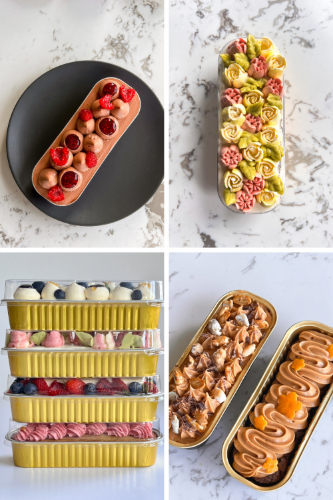
The creative versatility of mini loaf cakes is endless once you nail the basics. From elegant floral buttercream piping to indulgent chocolate swirls and fruity toppings, you can experiment with confidence. Mastering batter measurements and techniques means your mini loaves will not only taste amazing, but also look stunning every time – perfect for gifting, selling, or treating yourself.
5 Pro Tips for Perfect Mini Loaves
Ready to level up your mini loaf game? Implement these pro tips used by pastry chefs for consistent results:
✔️ Weigh ingredients (and batter) in grams, not cups. Volume measurements can vary too much. Using grams with a digital scale ensures accuracy every time. (Your baking will immediately become more consistent!)
✔️ Calibrate your oven temperature. Home ovens can run hot or cool. Use an oven thermometer to make sure 350°F is truly 350°F. Proper temperature prevents undercooked centers or burnt edges.
✔️ Avoid overmixing your batter. Especially with scratch recipes, mix just until ingredients are combined. Overmixing develops excess gluten and deflates air, leading to dense or tough cakes.
✔️ Portion batter with a scale or scoop. Don’t eyeball the fill in each cavity – for each mini tin, weigh out the batter (as per the guide above) or use a leveled scoop. Consistent portions mean all loaves bake evenly.
✔️ Test your leaveners regularly. Stir a bit of baking powder into hot water – does it fizz immediately? If not, time to buy a fresh container. Active baking powder/soda is crucial for a good rise.
Implementing these small changes will instantly make your mini loaves look and taste like they came out of a professional bakery. No more guesswork or wasted batches – just beautiful, uniform cakes you’ll be proud to share.
Read more on Mini Loaf Cakes HERE
Ready to Bake Perfect Mini Loaf Cakes Every Time?
If you’re excited to consistently turn out bakery-quality mini loaf cakes, it might be time to go beyond tips and use a proven system. Mini Loaf Cakes: The Complete Framework is my step-by-step program that teaches you the why and how behind every ingredient, technique, and measurement – so you can bake with confidence and precision every single time.
👉 Mini Loaf Cakes: The Complete Framework – a digital course packed with 110+ pages of recipes, expert tips, and beautiful tutorials that show you exactly how to mix, fill, bake, and decorate mini loaf cakes like a pro.
What’s inside? You’ll get:
-
12 HD video tutorials demonstrating key techniques (mixing, Italian meringue buttercream, ganache, glazing, and more)
-
Foolproof recipes and flavor guides (including seasonal flavor pairing matrices to spark creativity)
-
Precise ingredient & batter measurements for different pan sizes (no more overflowing or flat loaves, no matter what recipe you use)
-
Pro decorating tricks – from elegant piping to quick finishing touches that wow
-
Shelf-life and storage secrets to keep your cakes moist longer (crucial for home bakers and those selling at markets)
-
Troubleshooting and cheat sheets to help you fix issues on the fly and never feel stuck
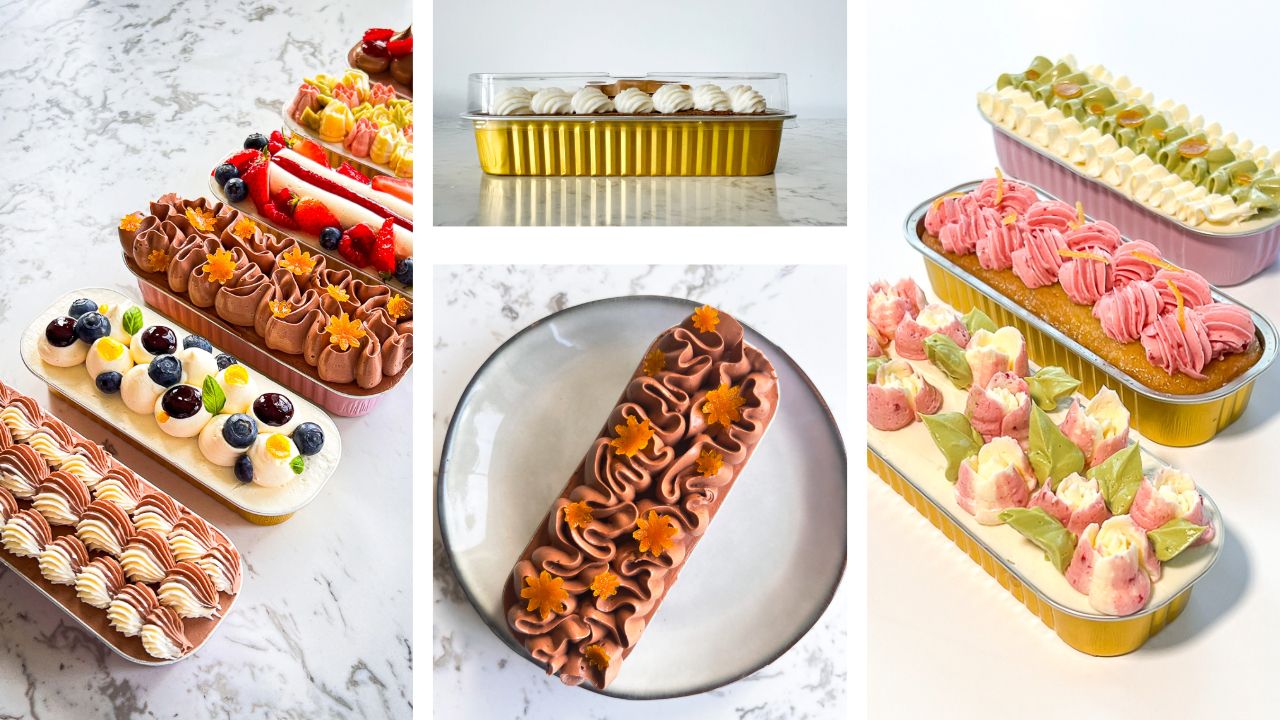
Modern mini loaf cakes created with the framework’s techniques – from raspberry and matcha designs to rich chocolate and coffee themes. With the right guidance, your mini loaves can look this stunning and taste delicious too.
Why bakers love this framework: It turns all those scattered tips you’ve collected into a clear, repeatable system. No more wasted ingredients or inconsistent batches – you’ll bake even, moist, gorgeous mini loaves in a standard home oven without the trial and error. Whether you’re a hobby baker or looking to sell your treats, this framework is a game changer.
Happy baking! 😋
Read The Baking Standard
Editorial guidance for bakers and food founders who care about technique, ingredients, and long-term credibility.
Unsubscribe anytime.
About The Author